


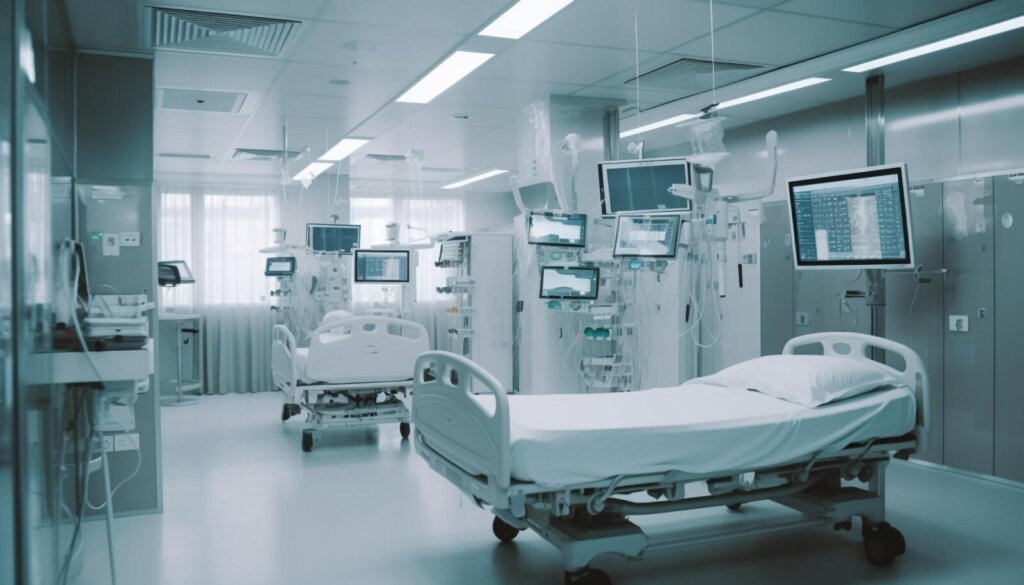
Healthcare refurbishment is rarely just about improving appearance. In clinical environments, changes must support patient care, regulatory compliance, infection control, workflow efficiency, and often ongoing operations.
Whether upgrading a medical clinic, modernising a laboratory, refurbishing a dental practice, or improving a hospital department, refurbishment projects require careful planning and sector-specific expertise.
This guide provides a structured overview of healthcare refurbishment across clinics, laboratories, and wider medical facilities. It outlines key considerations, common challenges, cost factors, and delivery approaches.
What Is Healthcare Refurbishment?
Healthcare refurbishment refers to upgrading, reconfiguring, or modernising an existing healthcare space without fully redeveloping or relocating it.
It can include:
- Internal reconfiguration of clinical rooms.
- Mechanical and electrical upgrades.
- Ventilation and infection control improvements.
- Compliance-led alterations.
- Equipment integration.
- Accessibility improvements.
- Finishes and patient-facing upgrades.
Unlike new build projects, refurbishment must work within existing building constraints, live operations, and regulatory frameworks.
Why Healthcare Facilities Choose Refurbishment Over New Build
For many healthcare providers, refurbishment is more practical than relocation or full redevelopment.
Common drivers include:
- Expanding services within an existing footprint.
- Updating facilities to meet changing regulations.
- Replacing outdated equipment.
- Improving patient flow and privacy.
- Addressing wear and operational inefficiencies.
In primary care settings, dental practices, and private medical clinics, refurbishment is often phased to avoid service interruption.
How Does Healthcare Refurbishment Differ by Sector?
While principles remain consistent, the technical focus varies across healthcare environments.
1. Clinic Refurbishment
Medical clinics and GP surgeries typically require:
- Improved consultation room layouts.
- Enhanced privacy and acoustic control.
- Reception and waiting area reconfiguration.
- Updated ventilation and infection control measures.
Read More: Clinic & Medical Center Refurbishment
2. Laboratory Refurbishment
Laboratories introduce higher technical demands, including:
- Specialist ventilation systems.
- Clean and dirty workflow separation.
- Containment measures.
- Equipment servicing access.
Read More: Laboratory Refurbishment
3. Wider Medical & Hospital Facilities
Hospital refurbishments often involve departmental upgrades such as outpatient areas, imaging suites, or ward reconfiguration. Projects may need complex phasing strategies and coordination with estates teams.
What Regulations Apply to Healthcare Refurbishment in the UK?
Healthcare refurbishment must comply with statutory and sector-specific standards.
Key regulatory areas include:
- Fire safety and compartmentation
- Accessibility requirements
- Infection prevention and control
- Mechanical and electrical performance
- Ventilation and air quality standards
Read More: Healthcare Refurbishment Regulations in the UK
How are Live Healthcare Environments Managed During Refurbishment?
Many healthcare facilities cannot close during works. In these cases, refurbishment must be delivered in live environments.
Typical strategies include:
- Phased delivery programmes.
- Out-of-hours construction.
- Temporary relocation within the building.
- Segregated work zones.
- Enhanced dust and infection controls.
Read More: Refurbishing Live Healthcare Environments
How Much Does Healthcare Refurbishment Cost?
Costs vary depending on:
- Building condition.
- Technical complexity.
- Level of compliance upgrades required.
- Extent of M&E replacement.
- Operational constraints.
Laboratory refurbishments tend to involve higher technical costs due to ventilation and containment systems, while clinic refurbishments may focus more on spatial reconfiguration and finishes.
Read More: Healthcare Refurbishment Costs
Healthcare Refurbishment vs Fit Out – What’s the Difference?
Healthcare refurbishment focuses on improving or adapting an existing facility. A healthcare fit out, by contrast, typically refers to completing an internal space that may be newly built or previously vacant.
Refurbishment projects often involve:
- Working around existing structures.
- Upgrading building services.
- Addressing legacy compliance issues.
Fit out projects may involve:
- Installing new partitions and finishes
- Commissioning new M&E systems in shell spaces
- Equipping newly leased units
Read More: Healthcare Refurbishment vs Fit Out
Practical Considerations When Planning a Healthcare Refurbishment Project
Early planning reduces risk and disruption. Key steps include:
- Conducting a building condition assessment.
- Reviewing compliance gaps.
- Understanding clinical workflows.
- Engaging estates or facilities teams.
- Developing a phased programme if required.
Where projects form part of broader facility upgrades, refurbishment may align with a structured commercial refurbishment approach, ensuring coordination between design, compliance, and delivery.
Healthcare organisations seeking sector-specific experience can also explore our wider Healthcare industry expertise, which outlines how refurbishment strategies adapt across clinics, laboratories, and medical facilities.
What are the Common Challenges in Healthcare Refurbishment
- Working within constrained buildings.
- Maintaining infection control during construction.
- Upgrading outdated mechanical systems.
- Managing stakeholder expectations.
- Coordinating inspections and approvals.
Identifying these risks early helps prevent programme delays and unexpected costs.
Final Thoughts
Healthcare refurbishment requires more than standard construction knowledge. It demands a clear understanding of clinical operations, compliance requirements, and building constraints.
When carefully planned, refurbishment enables healthcare providers to modernise facilities, improve patient experience, and meet regulatory standards without the disruption of relocation or full redevelopment.
If you are reviewing your facility’s performance, layout, or compliance position, assessing refurbishment options early can provide clarity on cost, programme, and operational impact.
FAQs
How long does a typical healthcare refurbishment take?
Programme length depends on scope and whether the facility remains operational. Smaller clinic upgrades may take a few months, while multi-department refurbishments can extend longer due to phasing.
Do healthcare refurbishments require building control approval?
Yes. Most projects involving structural, mechanical, electrical, or fire safety changes require building control approval and possibly additional inspections.
Can refurbishment improve energy efficiency in medical facilities?
Yes. Upgrading ventilation systems, lighting, and controls can significantly improve operational efficiency and reduce long-term costs.
Is it possible to refurbish part of a laboratory while the rest remains operational?
Yes, but this requires strict segregation, containment planning, and coordinated scheduling to maintain safety and compliance.
When should a facility consider relocation instead of refurbishment?
Relocation may be considered if structural limitations, capacity constraints, or compliance gaps cannot be addressed economically within the existing building.

