


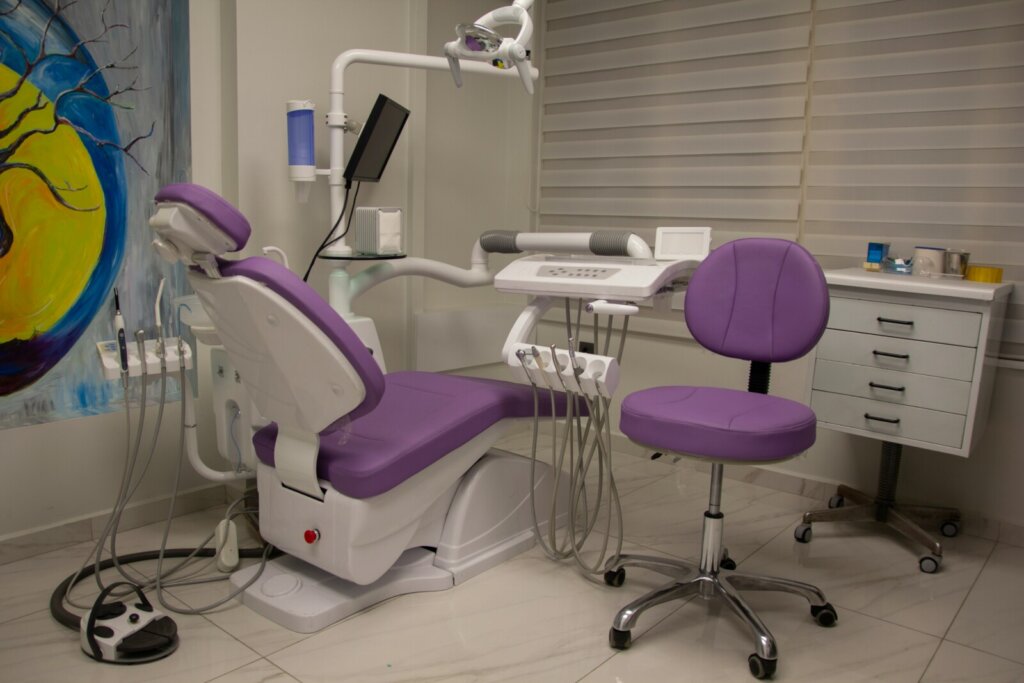
Healthcare refurbishment costs vary significantly depending on scope, compliance requirements, mechanical upgrades and operational constraints. Upgrading a GP surgery is very different from refurbishing a pathology laboratory. Even within the same building type, layout changes, ventilation requirements and live working conditions can shift budgets quickly.
This guide breaks down what clinics and labs should realistically budget for and where costs are often underestimated.
What is the Average Cost of Healthcare Refurbishment in the UK?
There is no universal rate, but typical ranges (excluding VAT and specialist equipment) often fall between:
- Light refurbishment (finishes, minor upgrades): £600–£1,200 per m²
- Mid-level refurbishment (layout changes, partial MEP): £1,200–£2,000 per m²
- Complex clinical or laboratory refurbishment: £2,000–£3,300+ per m²
These figures depend heavily on:
- Extent of mechanical and electrical (MEP) upgrades.
- Ventilation requirements.
- Fire safety alterations.
- Infection control measures.
- Live or phased working constraints.
What Factors Have the Biggest Impact on Healthcare Refurbishment Costs?
Healthcare environments carry additional cost drivers compared to standard commercial refurbishment.
- Mechanical & Electrical Upgrades
- Ventilation, extraction systems, medical gas lines and electrical capacity significantly influence budgets.
- In laboratories or treatment areas, altering airflow systems alone can account for a substantial portion of project cost.
- Compliance Requirements
Costs may increase due to:
- Fire compartmentation adjustments.
- Accessibility upgrades.
- Ventilation validation.
- Electrical certification.
- Updated alarm systems.
Regulatory alignment is not optional and retrofitting compliance late in the programme is expensive.
- Phased or Out-of-Hours Works
Refurbishing live healthcare environments often requires:
- Weekend or evening work.
- Temporary partitions.
- Dust containment systems.
- Additional supervision.
This protects operational continuity but increases labour and logistics costs.
- Clinical-Grade Materials
Healthcare refurbishment requires durable, cleanable finishes such as:
- Welded vinyl flooring.
- Hygienic wall cladding.
- Impact-resistant doors.
- Specialist ceilings.
These materials cost more than standard commercial alternatives.
How Do Clinic Refurbishment Costs Compare to Laboratory Refurbishment?
Costs differ due to service intensity and regulatory demands.
| Area Type | Cost Sensitivity | Key Drivers |
| GP Surgery | Moderate | Reception upgrades, consultation rooms, fire compliance |
| Dental Practice | Higher | Decontamination areas, specialist ventilation |
| Diagnostic Lab | High | Air handling systems, containment, extraction |
| Pathology Lab | Very High | Mechanical systems, specialist services |
Laboratory refurbishment typically commands higher per m² rates due to ventilation and compliance complexity.
H2: What Hidden Costs Should Clinics & Labs Budget For?
Under-budgeting usually happens when indirect costs are overlooked.
Common hidden cost areas include:
- Temporary decant arrangements.
- IT and data cabling upgrades.
- Commissioning and validation testing.
- Professional fees (design, compliance, fire consultants).
- As-built documentation updates.
- Inflation or supply chain risk.
It is advisable to include a contingency allowance of 5–10%, depending on building age and survey clarity.
How Does Building Condition Affect Refurbishment Costs?
Older healthcare buildings often present:
- Outdated electrical infrastructure.
- Non-compliant fire compartmentation.
- Undocumented service routes.
- Limited ceiling void space.
Intrusive surveys before design finalisation reduce risk allowances and improve cost certainty. Failing to investigate early can lead to cost escalation once works begin.
Does Live Refurbishment Increase Overall Project Cost?
Yes, in most cases. Live healthcare refurbishment may require:
- Additional phasing.
- Temporary service rerouting.
- Infection control measures.
- Extended project duration.
- However, closing a facility can also carry operational revenue loss.
Cost planning should compare:
- Phased live works.
- Temporary relocation.
- Full shutdown.
The most economical route depends on clinical dependency and project scope.
Related Read: Refurbish Live Healthcare Environments
When is a Full Fit Out More Cost-Effective Than Refurbishment?
If refurbishment costs approach new-build or full fit-out levels due to:
- Extensive MEP replacement.
- Structural intervention.
- Layout reconfiguration.
- Repeated compliance failures.
A more comprehensive upgrade strategy may offer better long-term value. Cost assessment should consider lifecycle savings, not just capital expenditure.
Related Read: Healthcare Refurbishment vs Fit Out
Final Thoughts
Healthcare refurbishment costs in the UK are shaped by more than finishes and square metres.
Ventilation, compliance, fire strategy, infection control and live operational constraints all influence budget outcomes.
Clinics and laboratories that invest time in early surveys, compliance reviews and structured cost planning are far more likely to deliver projects within budget.
Cost certainty in healthcare refurbishment is achieved through planning depth, not optimistic estimates.
FAQs
Why do laboratory refurbishments cost more than office refurbishments?
Laboratories require specialist ventilation, containment measures and regulatory compliance that significantly increase mechanical and safety costs.
Should contingency be higher for older healthcare buildings?
Yes. Older buildings often contain undocumented services and outdated infrastructure, increasing risk during strip-out.
Are professional fees included in per m² cost estimates?
Not always. Many headline rates exclude consultant fees, compliance testing and VAT.
How can clinics reduce refurbishment costs without compromising compliance?
Early surveys, clear scope definition and avoiding mid-project design changes are the most effective ways to control costs.
Does phasing always increase total project cost?
It can increase construction cost but may reduce revenue loss by maintaining operational capacity.
How early should cost planning begin?
Ideally during feasibility stage, before final layout design, so mechanical and compliance risks are factored into budgets.

