


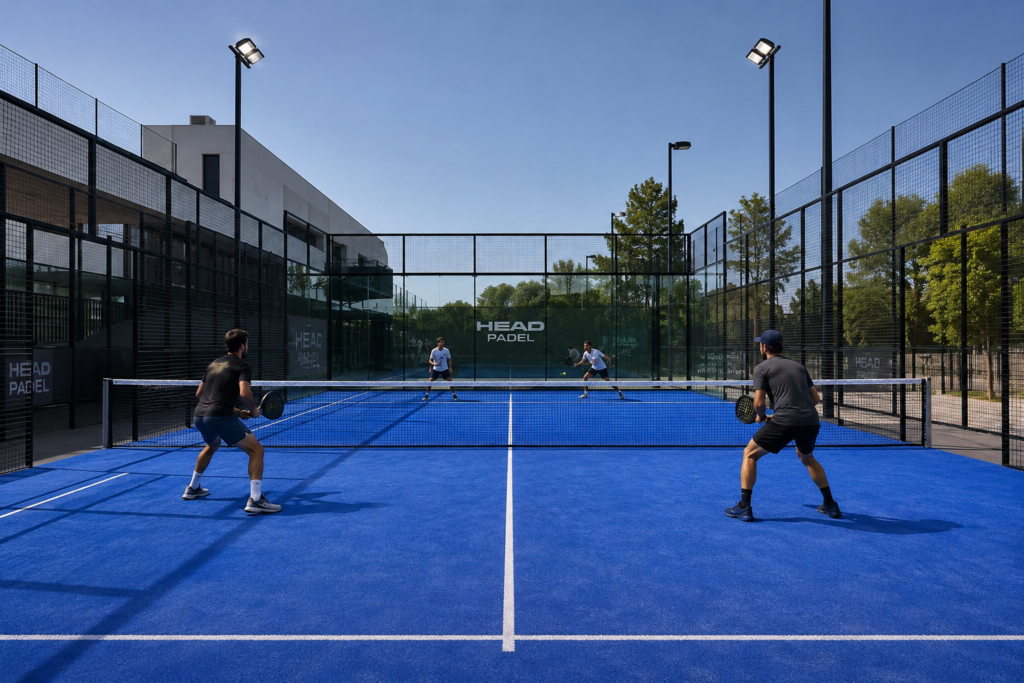
Padel continues to be one of the fastest-growing sports globally, leading to increased demand for high-quality playing facilities. However, like any heavily used sports environment, padel courts experience wear over time. Surfaces deteriorate, lighting becomes less efficient, drainage systems can underperform, and structural elements may begin to show signs of ageing.
A well-planned padel court refurbishment can extend the lifespan of an existing facility, improve player experience, enhance safety, and reduce long-term maintenance costs. Whether you operate a sports club, leisure centre, hotel, university, or dedicated padel venue, understanding when and how to refurbish your courts can help protect your investment while maintaining a competitive facility.
This article explores the refurbishment process, common upgrades, cost considerations, and practical factors to evaluate before starting a project.
What Does a Padel Court Refurbishment Involve?
Padel court refurbishment refers to the improvement, repair, or replacement of existing court components to restore performance, safety, and appearance.
Depending on the condition of the facility, refurbishment can range from minor upgrades to a comprehensive renovation programme.
Common refurbishment works include:
- Artificial turf replacement.
- Glass panel repairs or replacement.
- Steel structure repairs and recoating.
- LED lighting upgrades.
- Drainage improvements.
- Fencing replacement.
- Gate and access upgrades.
- Court repainting and branding updates.
- Spectator area improvements.
- Accessibility enhancements.
The scope of work often depends on the age of the court, usage levels, environmental exposure, and future operational goals.
How Can You Tell When a Padel Court Needs Refurbishment?
Several signs indicate that refurbishment may be necessary.
- Playing Surface Deterioration
The artificial turf is one of the most heavily used components of a padel court. Common issues include:
- Flattened fibres.
- Uneven playing conditions.
- Reduced ball bounce consistency.
- Surface tears or damage.
- Loss of infill material.
When surface performance begins affecting gameplay, refurbishment should be considered.
- Glass Panel Issues
Glass walls play a critical role in padel gameplay. Signs of concern include:
- Visible cracks.
- Scratches affecting visibility.
- Structural movement.
- Damaged fixings.
- Clouding or staining.
Damaged glazing can present both safety and operational concerns.
- Lighting Performance Problems
Poor lighting can affect player experience and reduce court utilisation during evenings. Indicators include:
- Uneven illumination.
- Flickering lights.
- High energy consumption.
- Frequent maintenance requirements.
Many operators now upgrade to modern LED systems during refurbishment projects.
- Drainage and Water Management Problems
Standing water can damage surfaces and reduce court availability. Typical warning signs include:
- Water pooling after rainfall.
- Surface degradation.
- Slippery playing conditions.
- Drainage channel blockages.
Addressing drainage issues early can prevent larger structural problems later.
Which Areas of a Padel Court Are Most Commonly Upgraded?
- Artificial Turf Replacement
Surface replacement is often the most common refurbishment requirement. Benefits include:
- Improved player comfort.
- Better traction and grip.
- Consistent ball behaviour.
- Enhanced appearance.
- Reduced maintenance issues.
Operators typically select turf systems based on player volume, competition standards, and maintenance requirements.
- Glass and Structural Improvements
Glass panels and steel structures experience constant exposure to weather and impact. Refurbishment may involve:
- Replacing damaged glass.
- Recoating steelwork.
- Repairing structural connections.
- Upgrading protective finishes.
- Improving corrosion resistance.
These upgrades help maintain safety and extend the lifespan of the court.
- LED Lighting Upgrades
Modern LED systems offer significant advantages over older lighting technologies. Benefits include:
- Lower energy consumption.
- Reduced maintenance costs.
- Improved visibility.
- Better light uniformity.
- Longer operational lifespan.
For facilities operating multiple courts, lighting upgrades can deliver noticeable operational savings.
- Fencing and Access Improvements
Refurbishment projects often include upgrades to:
- Court fencing.
- Gates.
- Viewing areas.
- Access routes.
- Safety barriers.
These improvements enhance both user experience and operational efficiency.
How Much Does Padel Court Refurbishment Cost?
Refurbishment costs vary depending on the condition of the court, the scope of upgrades, and the materials selected.
Factors affecting costs include:
| Refurbishment Element | Cost Influence |
| Artificial turf replacement | Medium |
| LED lighting upgrades | Medium |
| Glass replacement | Medium to High |
| Steel repairs and recoating | Medium to High |
| Drainage improvements | Medium |
| Full court refurbishment | High |
Rather than focusing solely on upfront costs, operators should consider:
- Expected lifespan improvements
- Reduced maintenance expenses
- Energy savings
- Increased court utilisation
- Improved customer satisfaction
A phased refurbishment strategy can also help spread investment over time.
Is Refurbishment Better Than Building a New Padel Court?
The answer depends on the condition of the existing facility and future business goals.
| Factor | Refurbishment | New Build |
| Initial Investment | Lower | Higher |
| Construction Time | Shorter | Longer |
| Operational Disruption | Lower | Higher |
| Sustainability | Higher reuse of assets | Greater material demand |
| Planning Requirements | Often simpler | Potentially more complex |
| Return to Operation | Faster | Longer timeframe |
Where the court structure remains sound, refurbishment is often the most cost-effective solution.
However, facilities seeking expansion or significant reconfiguration may benefit from a new-build approach.
How Long Does a Padel Court Last Before Refurbishment Is Needed?
The lifespan of individual court components varies considerably.
| Component | Typical Lifespan |
| Artificial turf | 5–8 years |
| LED lighting systems | 8–12 years |
| Glass panels | 10–15+ years |
| Structural steelwork | 15–20+ years |
| Drainage infrastructure | 15+ years |
Regular inspections and preventative maintenance can extend these timeframes.
Facilities with heavy daily usage may require refurbishment sooner than lower-volume venues.
Which Types of Facilities Commonly Invest in Padel Court Refurbishment?
Padel court refurbishment is relevant across a wide range of sectors.
| Sector | Common Refurbishment Objectives |
| Sports clubs | Improve playing standards and member satisfaction |
| Leisure centres | Reduce maintenance costs and increase usage |
| Hotels and resorts | Enhance guest facilities |
| Universities | Modernise sports infrastructure |
| Private padel operators | Maintain competitiveness and maximise revenue |
Many operators choose to combine court upgrades with broader property improvements. Where wider facility improvements are required, a commercial refurbishment project can help coordinate multiple upgrades within a single programme.
Why is Sustainability Becoming More Important in Padel Court Refurbishment?
Sustainability is becoming a key consideration across sports and leisure facilities. Modern refurbishment projects increasingly focus on:
- Energy-efficient LED lighting.
- Durable surface systems.
- Reduced maintenance requirements.
- Material reuse where possible.
- Improved water management.
- Longer asset lifecycles.
Extending the life of existing infrastructure often results in a lower environmental impact compared with complete replacement.
Final Thoughts
Padel court refurbishment is about more than replacing worn surfaces. A well-executed project can improve safety, playing performance, operational efficiency, and long-term asset value.
Whether the focus is upgrading turf, improving lighting, replacing glazing, or modernising infrastructure, refurbishment provides an opportunity to extend the lifespan of existing courts while enhancing the experience for players and operators alike.
For many facilities, a carefully planned refurbishment delivers a practical and cost-effective alternative to complete redevelopment.
FAQs
Can padel court refurbishment be completed while the facility remains open?
In many cases, yes. Multi-court venues can often refurbish individual courts in phases, allowing parts of the facility to remain operational throughout the project.
Does refurbishing a court improve player retention?
It can. Players are more likely to return to facilities that offer consistent playing conditions, good lighting, and well-maintained infrastructure.
Can older courts be upgraded to meet current competition standards?
In many situations, existing courts can be upgraded through surface replacement, lighting improvements, and structural enhancements to meet modern playing expectations.
Is planning permission required for padel court refurbishment?
Minor refurbishment works generally do not require planning permission, although significant structural changes or lighting modifications may require approval depending on local regulations.
What is the biggest mistake operators make when refurbishing padel courts?
Delaying refurbishment until major failures occur. Addressing issues early is often more cost-effective and reduces the risk of extended court closures.
Should all courts be refurbished at the same time?
Not necessarily. Many operators adopt a phased approach, prioritising courts based on condition, usage levels, and available budget.
How often should padel courts be professionally inspected?
A professional inspection every 12-24 months can help identify wear, structural issues, and maintenance requirements before they become more expensive to address.

